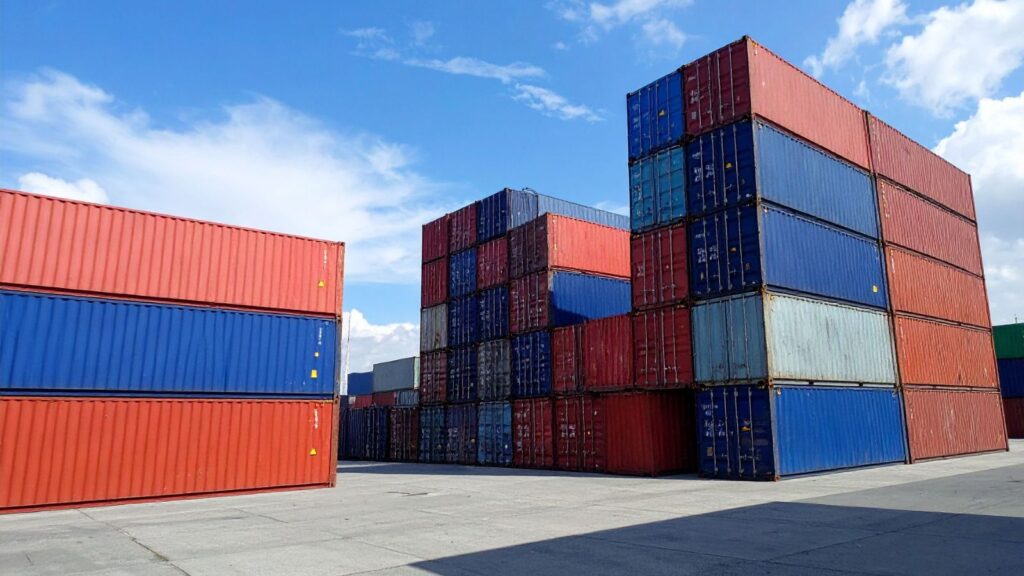
Every day, thousands of containers arrive at ports worldwide, but customs authorities can only physically inspect a small fraction of them. Inspecting every shipment would grind global trade to a halt, yet letting everything through unchecked invites smuggling, fraud, and security threats. The solution lies in risk assessment systems that analyze incoming cargo data to flag suspicious shipments while allowing legitimate trade to flow freely. These systems have become the invisible gatekeepers of international commerce, determining which containers get waved through and which get pulled aside for a closer look.
Understanding how these risk assessment mechanisms work matters for anyone moving goods across borders. The difference between smooth clearance and a week-long inspection delay often comes down to how your shipment scores against dozens of risk indicators.
The Data Points That Trigger Red Flags
Customs risk assessment starts long before cargo physically arrives at the border. Advanced data submissions provide authorities with detailed information about each shipment hours or even days ahead of arrival. They examine the shipper’s history, the consignee’s track record, product descriptions, declared values, country of origin, and routing patterns.
Certain characteristics consistently raise suspicion. Unusually low declared values compared to market prices suggest potential undervaluation to avoid duties. Vague product descriptions like “general merchandise” or “parts” make it harder to assess the actual contents. First-time importers or exporters receive more scrutiny than established businesses with clean compliance records. Shipments from countries known for specific contraband or trade violations get extra attention, as do unusual routing patterns where cargo takes an unnecessarily circuitous path.
The relationship between declared weight, volume, and product type also matters. A container supposedly filled with lightweight textiles that weighs as much as machinery will trigger questions. Mismatches between harmonized tariff codes and product descriptions signal potential classification errors or deliberate misrepresentation. Modern systems cross-reference this information against vast databases of historical shipments, trade patterns, and known risk indicators.
How Automated Systems Score Shipment Risk
Today’s customs agencies rely on sophisticated algorithms that assign risk scores to every declaration. These systems process enormous volumes of data in seconds, evaluating each shipment against hundreds of parameters simultaneously. A low-risk score means automated clearance with minimal human review. High scores route shipments to inspection queues where officers decide whether physical examination is warranted.
The scoring methodology considers both static and dynamic factors. Static elements include the product category, country pair, and declared value. Dynamic factors incorporate recent intelligence about emerging smuggling methods, seasonal contraband trends, or specific enforcement priorities. A shipment of electronics from Southeast Asia might score differently in December than in July based on seasonal fraud patterns.
Customs authorities don’t publicize their exact risk criteria—doing so would give bad actors a roadmap for circumventing controls. However, they do emphasize that compliance history carries significant weight. Companies with solid track records, transparent supply chains, and participation in trusted trader programs like C-TPAT or AEO enjoy lower risk scores and faster processing. Understanding what is returnable container tracking and implementing proper asset management demonstrates the kind of supply chain visibility that builds credibility with customs agencies.
What Happens When Your Shipment Gets Flagged
A high-risk score doesn’t guarantee inspection, but it puts the shipment on a watchlist for potential examination. Customs officers review flagged declarations manually, applying their expertise and current intelligence to decide whether physical inspection is necessary. They might request additional documentation first, giving importers a chance to clarify discrepancies without opening the container.
Physical inspections range from quick visual checks to complete unloading and examination of every item. Non-intrusive inspection technology like X-ray scanning provides a middle ground, allowing officers to see inside containers without breaking seals. If inspection reveals no issues, the cargo continues to its destination with only minor delays. However, finding contraband, misdeclared goods, or compliance violations triggers penalties, seizures, and increased scrutiny on future shipments from that importer.
The financial impact of inspections extends beyond immediate delays. Demurrage charges accumulate while containers sit in examination facilities. Perishable goods may spoil. Time-sensitive deliveries miss critical windows. Repeated inspections damage business relationships and competitive positioning.
Reducing Your Risk Profile Through Better Compliance
Smart importers and exporters actively manage their customs risk profiles rather than treating clearance as a black box. Accurate product descriptions, proper tariff classification, and realistic valuations form the foundation of low-risk shipping. Investing in customs compliance software that validates declarations against regulatory requirements catches errors before submission.
Building relationships with customs brokers who understand specific product categories and destination country requirements adds another layer of protection. These specialists know which documentation customs officers expect and how to present information in ways that satisfy regulatory requirements without triggering unnecessary questions.
Participation in authorized economic operator programs significantly reduces risk scores. These voluntary initiatives require companies to demonstrate robust supply chain security, accurate recordkeeping, and financial solvency in exchange for expedited processing and reduced inspection rates. The upfront investment in meeting program standards pays dividends through faster clearance and lower operational uncertainty.
Transparency throughout the supply chain also matters. The more visibility you can provide about your cargo’s journey—where it originated, who handled it, what conditions it traveled under—the more confidence customs authorities have in your declarations. Technology that tracks containers, monitors conditions, and documents custody changes creates the audit trail that risk assessment systems favor. In an era where customs agencies process millions of shipments annually, demonstrating consistent compliance is the surest path to staying out of the inspection queue.