
Competition in this segment is decided in seconds, not in dashboards. A user arrives in a city, drops a bag in a hotel room, connects to Wi-Fi, and opens a browser without planning anything in advance. The search is short, almost automatic, shaped by time, location, and mood rather than careful wording. In that moment, eros escorts shows up in the flow as part of that behavior, not as something the user studies or compares for long. The system reacts to context already formed around the user: where they are, what time it is, how they have been moving during the day. Visibility here is not built in advance and stored somewhere. It appears only when the platform matches that exact situation.
Why speed reshapes the entire competition
Time pressure defines everything. Users do not browse, they decide quickly and move on. Platforms that react faster to real conditions gain an edge even if they are not the largest or most established.
The difference becomes clear in how platforms behave during peak hours:
- Listings change based on active areas rather than fixed categories
- Availability updates within short intervals, sometimes every hour
- Pages reflect current demand instead of yesterday’s structure
- Content adjusts to real movement across neighborhoods
A delay of even ten minutes can shift visibility. Someone active in the right place at the right time appears first. Others fall out of view without warning.
How traffic is captured in narrow windows
There is no slow buildup here. Traffic comes in short bursts tied to specific moments. Late evening in Back Bay, post-event traffic near Fenway, early morning searches in hotel districts. Each moment creates its own pocket of demand.
Three conditions decide whether a platform gets that traffic:
- It matches the user’s exact location within a small radius
- It reflects current availability, not general presence
- It loads instantly without forcing extra steps
If one of these breaks, the user leaves. The next option is already one tap away. There is no patience in this flow.
Why structure matters more than size
Large platforms often expand endlessly, adding more pages, more listings, more sections. That approach creates noise rather than advantage if the structure does not reflect how people actually move.
Stronger platforms organize differently:
- Clear separation by neighborhood rather than broad city pages
- Navigation built around real routes, not abstract categories
- Fast access to what is nearby without scrolling through layers
- Internal links that follow how users shift from one area to another
A smaller platform with clean structure can outperform a larger one that feels heavy and disconnected from real usage.
What users actually notice before choosing
The decision is quick and based on visible, practical details. Users are not analyzing deeply, they are checking whether what they see matches their situation.
Several factors consistently stand out:
- Distance shown clearly and accurately
- Signs of current activity rather than static profiles
- Visual consistency with what is expected in that area
- No mismatch between listed and actual location
Even a small inconsistency breaks trust immediately. Users do not investigate further, they close the page and continue.
How behavior feeds visibility without being obvious
Platforms do not operate in isolation. What users do after landing shapes what appears next, both for them and for others in similar situations. These signals are subtle, though they accumulate quickly.
The most influential patterns include:
- How long a user stays before switching away
- Whether they open multiple sections or leave instantly
- How often they return within a short period
- Whether their path continues deeper or stops at the first screen
A difference of a few seconds can matter. If users stay slightly longer, the platform gains ground over time without any visible change.
Why mobile conditions define the outcome
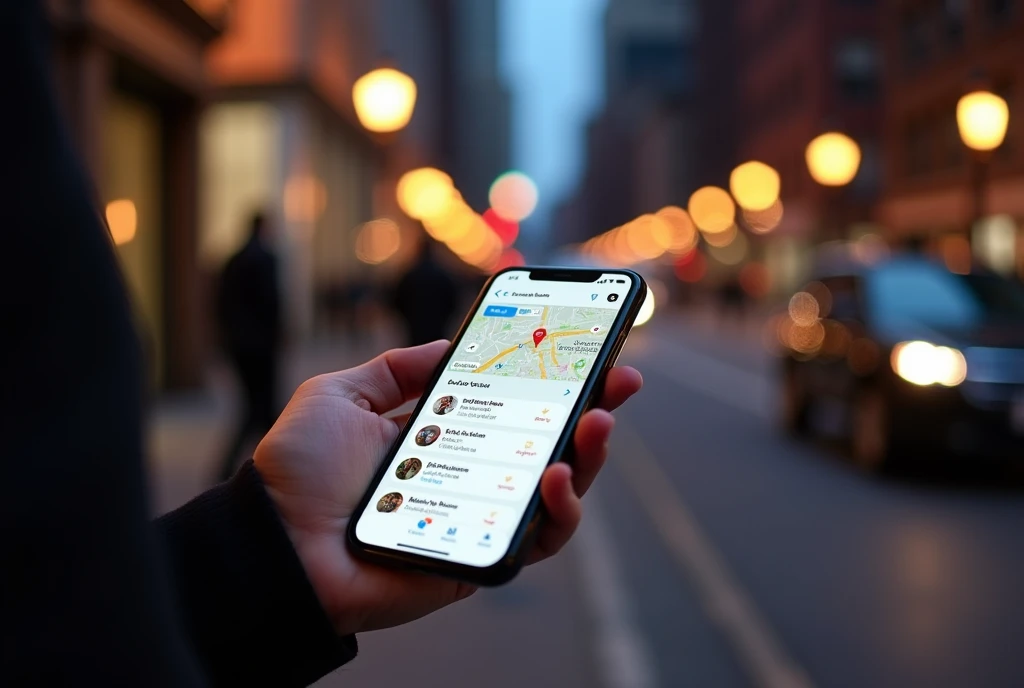
Almost every interaction happens on a phone, often in motion, with unstable connection and limited attention. This changes what works and what fails.
Effective platforms adapt to that reality:
- Pages load in under two seconds even on weak networks
- Key information appears immediately without scrolling
- Navigation works with one hand and minimal precision
- Layout guides the eye without forcing effort
A platform that feels slow or cluttered disappears quickly. There is no room for hesitation.
Where the pressure becomes visible
Only a few options receive attention at any moment. The rest are effectively invisible. This creates a compressed environment where small differences decide everything.
The pressure shows up in simple ways:
- Slight delays push a listing out of view
- Minor location gaps remove relevance instantly
- Outdated information leads to immediate exit
There is no buffer. Each detail either supports visibility or removes it.
What keeps a platform in the flow
Long-term presence depends on staying aligned with how people actually move and decide, not on building something static and expecting it to hold.
That alignment includes:
- Constant adjustment to real-time demand
- Precise mapping of active areas across the city
- Quick reaction to time-based shifts in behavior
- Consistent match between what is shown and what exists
The system favors those who stay close to reality. Others fade without any clear signal or warning.
The shift is already visible. Competition no longer revolves around who built more or who existed longer. It revolves around who matches the moment better, down to the exact place and time where a decision happens.