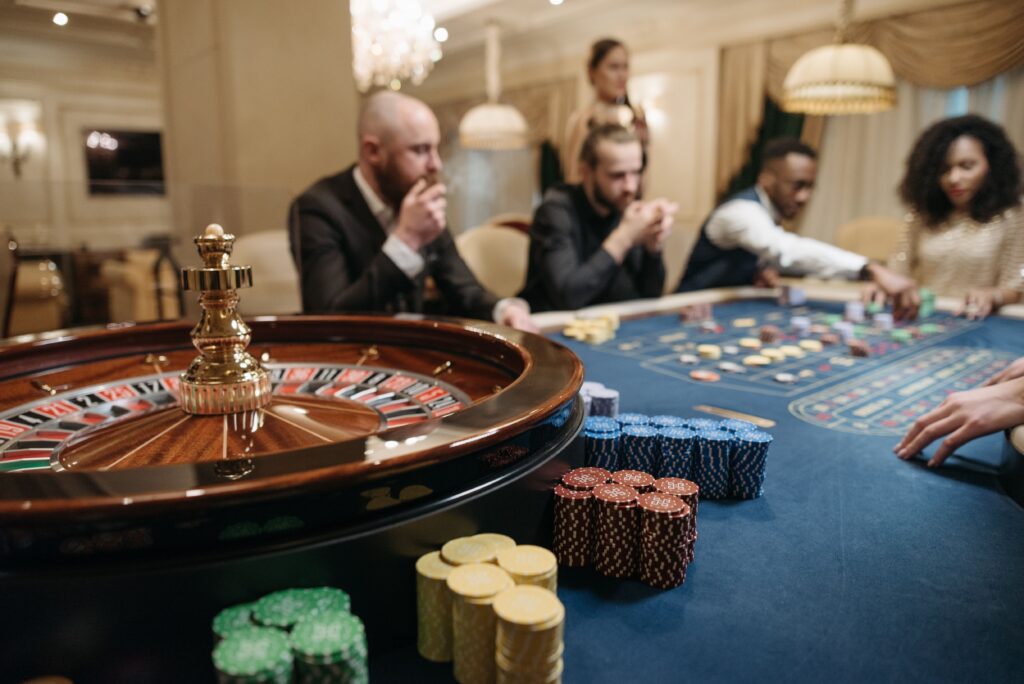
Spend any time poking around the corners of the internet where digital entertainment gets discussed — the same forums where people swap notes on streaming setups, web hosting quirks, and which apps eat the most data — and one quiet trend keeps surfacing. Baccarat, a card game once tucked away behind velvet ropes in glamorous rooms, has become one of the most talked-about first games for newcomers exploring digital leisure from a laptop or phone. It’s simple, it moves fast, and it carries a certain cinematic glamour. The curious thing is how naturally it fits into the way people already spend their downtime online.
That curiosity tends to lead somewhere specific. Anyone who decides to try the game properly will, sooner or later, go looking for a trustworthy online casino where it can be played for real stakes. For Australian readers in particular, that search is worth doing carefully, and there are detailed 2026 guides that rank the best real-money sites available locally — weighing up welcome bonuses, the breadth of pokies and table games, and which sites support PayID and crypto deposits alongside the usual options. The better guides also fold in expert ratings of how trustworthy each site actually is, which matters a great deal to a first-timer who has no instinct yet for telling a polished operation from a shaky one. Knowing where the well-reviewed, properly run sites sit takes most of the guesswork out of that first step.
A Game Built for the Screen
Baccarat translates to a screen almost suspiciously well. There’s no elaborate strategy chart to memorise, no need to learn hand rankings or bluffing, none of the social pressure that makes a live poker table intimidating. A player picks one of three outcomes — Player, Banker, or Tie — and the cards do the rest. That stripped-back structure is exactly why it suits the modern digital experience, where attention is short and the appeal of a quick, self-contained round is enormous.
Web-savvy readers often notice the technical craft behind it. Live dealer streams run at broadcast quality, with multiple camera angles and almost no lag on a decent connection. The same infrastructure that powers Netflix or a fast-loading website — content delivery networks, low-latency video, responsive design — is quietly doing the heavy lifting here. A first-timer rarely thinks about that, but it’s the reason a baccarat table on a phone in a Brisbane apartment feels as smooth as one in a Macau salon.
The Pull of a Simple Choice
Part of the excitement comes from how clean the decision is. In a world where every app demands endless choices — which show to watch, which playlist, which of forty notifications to clear — baccarat offers something almost restful. One bet, one outcome, a few seconds of suspense. The brain treats that little window of uncertainty as a genuine thrill, the same way it does when a horse rounds the final bend or a film’s set piece tips into chaos.
This is also where psychology gets interesting. Newcomers often start spotting patterns that aren’t really there — three Banker wins in a row, surely the Player is “due”. That instinct has a name, and researchers have studied it for decades. Work on biases in casino betting examines exactly this kind of faulty reasoning, where players convince themselves that past results shape future ones in a game where each hand is independent. Understanding that the cards have no memory doesn’t dull the fun, but it does keep a first-timer grounded.
Why the Brain Loves the Streak
The streak itself is a big part of baccarat’s hook. The game even hands players a scorecard — the famous “bead plate” and “big road” grids that track recent outcomes — practically inviting them to read meaning into the runs. It’s a beautiful illustration of how the mind craves patterns, and how two opposite mistakes can take hold at once.
Some researchers have explored how a person can fall for the gambler’s fallacy and the hot-hand belief at the same time, a contradiction that sounds impossible until it’s laid out plainly. One study on falling for both fallacies at once digs into how the same player can believe a streak will continue and also believe it’s about to break, depending on how the run is framed. For a newcomer, recognising this quirk is half the entertainment — watching the mind do its little dance while the cards stay stubbornly random.
Playing With a Clear Head
The most satisfying first-timer experiences tend to come from people who treat the game as entertainment rather than a puzzle to crack. There’s even evidence that being aware of one’s own thinking changes how these patterns play out. Studies into awareness of the hot hand suggest that simply knowing about these biases can shift how strongly a person acts on them — a small mental nudge that turns blind reaction into something closer to informed enjoyment.
That mindset travels well into the digital setting. The smooth interface, the live dealer’s steady rhythm, the option to set a budget before a single hand is dealt — all of it supports the idea of baccarat as a relaxed evening pastime rather than a high-wire act.
Where the Excitement Really Comes From
Strip it all back and the appeal is easy to understand. Baccarat offers a small, clean dose of suspense, wrapped in genuine elegance, delivered through technology that has quietly become world-class. For someone trying it for the first time, that combination — low barrier, high polish, honest randomness — is precisely what makes it feel exciting rather than overwhelming. The smartest newcomers simply enjoy the ride, keep their expectations sensible, and let the cards fall where they may.