
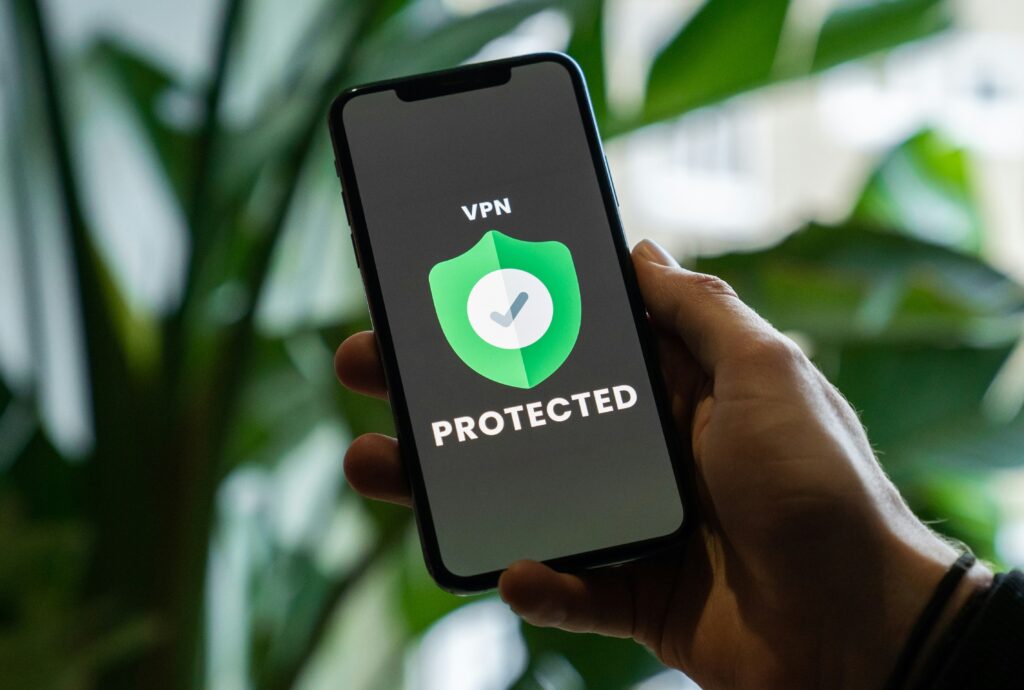
In 2026, the internet may feel borderless. Social media connects continents instantly, global teams collaborate in real time, and digital services promise worldwide access. Yet in practice, geography still matters. Streaming libraries vary by country. Financial platforms restrict access based on IP location. Even news websites and digital tools can change depending on where you log in from. Against this backdrop, the US Virtual Private Network—commonly known as a US VPN—has become an increasingly strategic tool for both individuals and businesses navigating a digitally connected but geographically segmented world.
A US VPN allows a user to route their internet connection through servers located in the United States. In practical terms, this means websites and apps interpret the connection as if it originates from within US borders. Many users researching solutions in this space encounter services described under the term us vpn, which refers specifically to routing encrypted traffic through US-based servers. For individuals and organizations alike, this capability provides two primary advantages: stronger online privacy and access to US-specific services.
Importantly, using a VPN is legal in most cases in the United States. However, legality does not grant carte blanche. Users must still comply with US federal and state laws, the laws of their physical location, and the terms of service of any platforms they access. Understanding how and why US VPNs matter in 2025 and beyond requires a closer look at privacy, digital access, security trends, and the evolving regulatory environment.
What a US VPN Actually Does
At its core, a VPN encrypts internet traffic and routes it through an intermediary server. If that server is physically located in New York, California, or Texas, your digital footprint appears American—even if you are actually in Berlin, Dubai, or Buenos Aires.
This technical rerouting accomplishes two primary goals: encrypted privacy and geographic flexibility.
Encrypted Privacy
Public Wi-Fi networks remain convenient—and notoriously insecure. Airports, hotels, cafés, and conference centers offer easy connectivity, but unsecured networks can create opportunities for data interception. Without encryption, browsing activity, login credentials, and financial information may be more vulnerable to monitoring or theft.
A VPN encrypts data in transit, making it more difficult for third parties, including internet service providers (ISPs) or cybercriminals, to monitor browsing behavior. The encryption creates a secure tunnel between the user’s device and the VPN server, reducing exposure to local network threats.
It is essential, however, to clarify what this protection does and does not mean. A VPN enhances privacy; it does not guarantee complete anonymity. It does not shield users from malware downloads, phishing attacks, or compromised passwords. Nor does it provide immunity from lawful investigations. Cybersecurity professionals consistently emphasize that a VPN should form part of a layered security strategy rather than serving as the sole line of defense.
Access to US-Based Services
Beyond privacy, geographic routing plays a critical role in digital access. Many services are region-specific due to licensing agreements, financial regulations, or corporate policy. Streaming platforms curate content libraries based on distribution rights. Certain financial services and professional platforms limit registration or features to US IP addresses.
A US VPN enables international users to access these services as if physically present in the country. For professionals conducting market research, testing US-targeted advertising campaigns, verifying localized website functionality, or managing distributed remote teams, this flexibility can be strategically important. In a competitive digital economy, the ability to evaluate services from a US vantage point can provide meaningful operational advantages.
Legal Status: Clear but Conditional
One of the most persistent myths surrounding VPNs is the idea that they operate in legal gray areas. In reality, VPN usage is legal in most cases within the United States. Corporations use VPNs to secure internal communications. Universities use them to provide protected access to research databases. Journalists rely on them when working on sensitive stories.
However, legality depends on usage. Engaging in illegal activity does not become lawful simply because traffic is encrypted. Federal and state laws remain fully applicable. Additionally, users located outside the United States must comply with the regulations of their physical jurisdiction.
Another frequently overlooked aspect is contractual responsibility. Many digital platforms include clauses in their terms of service that prohibit circumvention of geographic restrictions. While using a VPN itself is not inherently criminal, violating a service agreement could result in consequences such as account suspension or termination.
Regulatory scrutiny around encryption standards, data retention policies, and cross-border data routing has increased in recent years, according to industry analyses in 2025. Specific enforcement statistics: Not verified in provided research.
The broader takeaway is straightforward: VPNs are legitimate tools, but responsible use requires awareness of both legal frameworks and contractual obligations.
2025 Trends Shaping the US VPN Landscape
While precise numerical adoption rates are not verified in the provided research, qualitative industry trends offer insight into where the US VPN market is heading.
AI-Enhanced Security
Cyber threats have become more automated and adaptive. In response, VPN providers are incorporating AI-driven monitoring systems capable of detecting unusual traffic patterns and adjusting protective measures dynamically. Rather than relying solely on static configurations, next-generation VPN systems are designed to respond in real time to evolving risks.
Privacy-First Infrastructure
Consumers have grown increasingly skeptical of vague “no-log” promises. In 2025, leading providers place greater emphasis on infrastructure transparency. This includes RAM-only servers that erase data upon reboot, independent third-party audits, and detailed transparency reports outlining compliance practices. These measures aim to rebuild trust in an era of heightened privacy awareness.
The Streaming Detection Arms Race
Digital content platforms have refined techniques to identify VPN-associated IP ranges. In response, VPN providers rotate IP addresses and deploy obfuscation strategies designed to make encrypted traffic less distinguishable. This ongoing back-and-forth illustrates the tension between corporate content control and user demand for cross-border access.
Integration With Broader Security Tools
VPN services are increasingly bundled with complementary cybersecurity tools. Identity monitoring, dark web alerts, endpoint protection, and password management tools are now commonly offered alongside VPN functionality. For organizations implementing Zero Trust frameworks, the VPN may represent one layer within a multi-layered security architecture rather than a standalone solution.
Performance vs. Protection
Encryption and geographic routing are not without tradeoffs. Directing traffic through a US server can introduce latency, especially for users located far from North America. Connection speeds may fluctuate depending on server load, physical distance, and encryption protocol.
For enterprises managing globally distributed teams, performance testing often becomes part of deployment strategy. Security leaders evaluate not only connection speed but also risk reduction—whether encrypted routing meaningfully lowers exposure to interception or unauthorized access.
For individual users, the return on investment is usually qualitative rather than financial. It may mean more secure browsing on public Wi-Fi or reduced ISP-level tracking. For businesses, ROI is tied more directly to operational stability and minimized breach risk.
Precise ROI statistics: Not verified in provided research.
Common Misconceptions
Despite increased awareness, misunderstandings persist.
“VPNs make you completely anonymous.” They do not. Techniques such as browser fingerprinting and account-based tracking can still identify users.
“VPNs stop all cyber threats.” They do not eliminate phishing, malware, or compromised credential risks.
“Encrypted traffic is untraceable.” Encryption protects data in transit but does not neutralize lawful investigative processes.
Clarifying these misconceptions is increasingly important as AI-driven identity verification technologies may reduce long-term reliance on IP-based identification.
The Road Ahead
US VPN usage appears resilient, supported by remote work expansion, privacy concerns, and cross-border digital demand. However, the surrounding ecosystem remains fluid.
Governments continue to explore regulatory approaches to cross-border data flows. Streaming platforms refine detection tools. Artificial intelligence influences both cybersecurity defense systems and digital enforcement strategies. Meanwhile, emerging technologies such as encrypted routing networks and decentralized identity systems may gradually shift how digital location is defined.
For the foreseeable future, however, a US VPN remains a practical method for establishing a US digital presence while strengthening encrypted privacy protections.
Navigating the Digital Border Responsibly
The appeal of a US VPN is clear: enhanced privacy, geographic flexibility, and greater control over digital identity. In most cases, its use is legal in the United States—but legality is only the starting point.
Users should verify the laws in their physical location, review platform terms of service, select providers committed to transparent infrastructure practices, and understand the limitations of the technology.
In an era when digital borders still shape access and opportunity, a US VPN can be a powerful and legitimate tool. The real challenge is not whether geography matters online—it clearly does—but how thoughtfully and responsibly we choose to manage it.