

Football rarely relies on sudden hype to pull users back online. Its strength comes from structure, rhythm, and continuity that other sports struggle to replicate. Across Europe, long seasons and dense schedules create predictable engagement patterns that digital platforms can rely on month after month.
Platforms such as cazinouri.nl, which features top online bookmakers in the Netherlands, benefit from this consistency because football delivers steady interest rather than isolated traffic spikes tied to one-off events.
Football’s Competition Model Encourages Continuous Engagement
Football’s organizational framework supports repeat activity by design. Leagues run for most of the year, fixtures follow familiar patterns, and multiple competitions overlap. This structure keeps users engaged without requiring constant novelty.
High Match Volume Across a Single Season
A single top-tier league schedules hundreds of matches across several months. Each round adds new data points that influence standings, form, and expectations. Users return frequently because every match carries context, even when the teams involved sit outside the title race. Volume reduces gaps between meaningful moments, which keeps platforms active on a near-weekly basis.
Fixed Weekly Scheduling Builds User Routines
Football benefits from a stable weekly cadence. Weekend fixtures anchor attention, while midweek rounds extend engagement. This predictability encourages habitual usage. Fans know when to check fixtures, follow results, or review updates. Digital platforms gain recurring visits tied to the calendar, not just to major matches.
Parallel Competitions Extend Attention
Domestic leagues, national cups, and continental tournaments often run side by side. This overlap broadens interest and multiplies engagement points. When one competition pauses, another takes focus. The result is a continuous flow of relevant matches that reduces downtime across platforms.
Narrative Progression Sustains Platform Activity Between Matches
Football maintains interest even on days without games. Standings, point gaps, and upcoming fixtures keep users engaged beyond matchday.
League tables create ongoing tension. Small shifts affect title races, European qualification, and relegation battles. Each update changes the broader story. Users return to platforms to track momentum, assess implications, and follow developments that stretch across weeks. This narrative depth extends engagement into non-match periods and supports consistent traffic.
Football Drives Activity Across Multiple Platform Touchpoints
Activity does not concentrate around a single moment. Engagement spreads across pre-match, live, and post-match phases. Each phase supports different user behaviors and keeps platforms active throughout the week.
Pre-Match Preparation and Build-Up
Before kickoff, attention shifts toward context and expectation. Platforms see early activity as users prepare and compare information.
| Pre-Match Touchpoint | User Purpose | Platform Impact |
| Fixtures & schedules | Plan viewing and tracking | Early session starts |
| Team news | Assess lineups and form | Repeat short visits |
| Standings review | Understand match stakes | Deeper page navigation |
| Match previews | Frame expectations | Longer session duration |
This phase builds anticipation and spreads engagement across several days rather than a single hour.
Live Match Interaction
During matches, activity intensifies. Score updates, in-play stats, and real-time developments drive frequent interactions. The fast pace of football and the possibility of late goals encourage users to stay connected until the final whistle.
Post-Match Follow-Up and Analysis
After matches end, interest does not drop immediately. Results influence standings and future fixtures. Users return to review outcomes, check table changes, and evaluate implications for upcoming rounds. This follow-up phase extends engagement beyond live play.
Global Reach Turns Football Into a Continuous Activity Loop
Football functions as a global system rather than a regional product. Major European leagues reach audiences across multiple time zones, which spreads activity throughout the day instead of concentrating it into narrow local peaks.
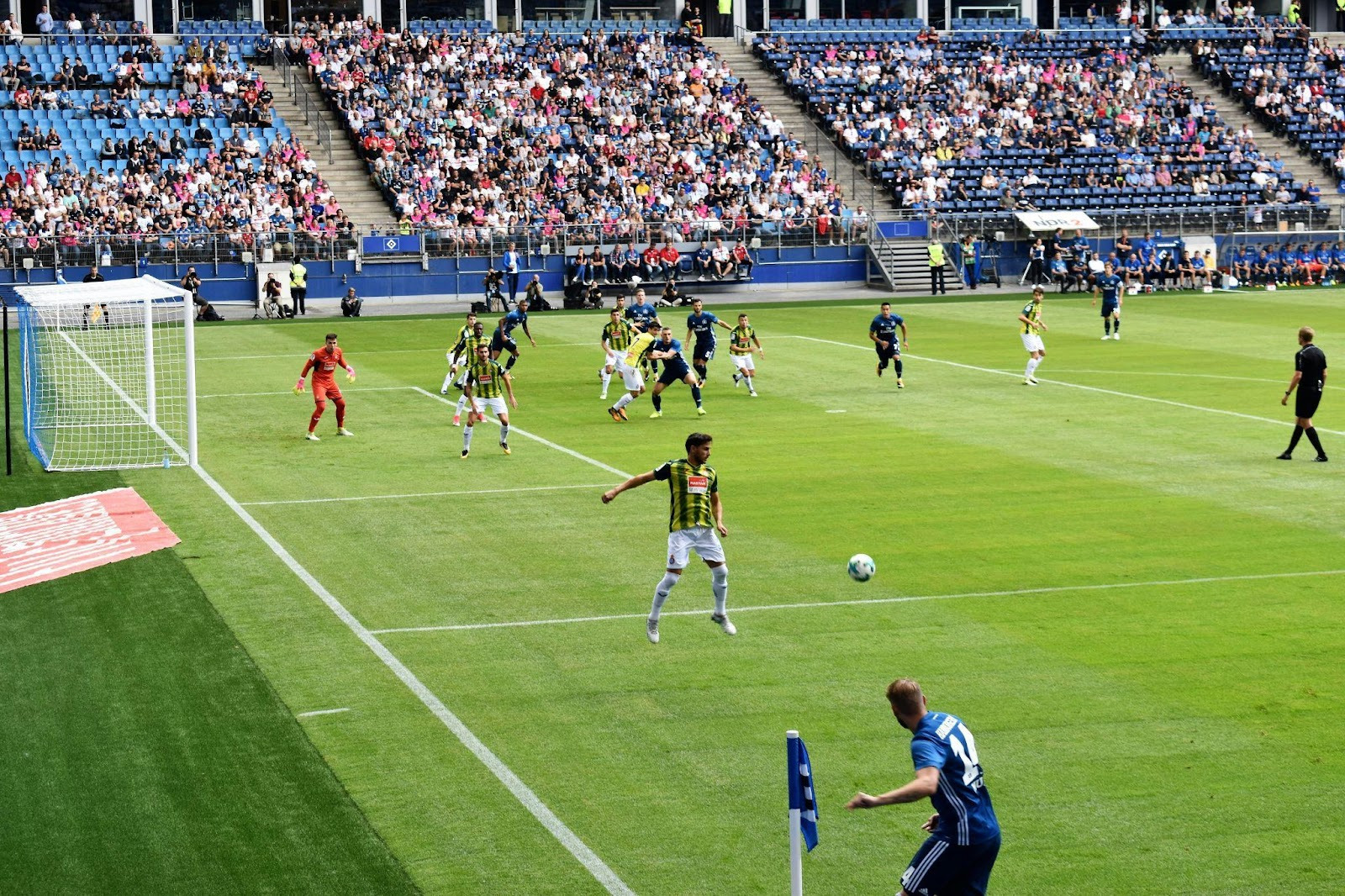
International competitions reinforce that continuity. Club tournaments and national team fixtures overlap with domestic leagues, while many users follow several competitions at once. As one round ends, another begins elsewhere, which keeps platform activity stable across days and weeks.
Structural Limits Prevent Other Sports From Matching Football
Many sports rely on short tournaments or infrequent matchdays, which compress attention into narrow windows. Long off-seasons and limited fixture counts disrupt user routines and create uneven traffic patterns. Platform activity often depends on major events, with sharp spikes that fade once the competition ends.
Football avoids this instability through sustained competition and dense scheduling. Regular fixtures keep outcomes relevant, while long seasons allow narratives to develop over time. Users return because progress feels continuous, not episodic, which gives football a structural advantage that other sports formats struggle to match.