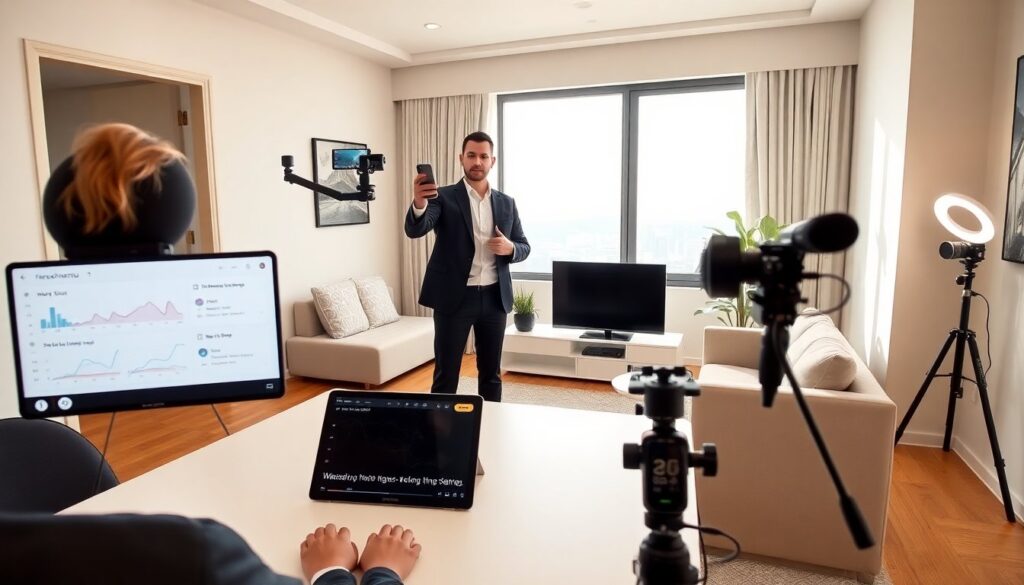
Fangchanxiu appears as a major trend in China’s online property market. Fangchanxiu mixes live video, sales pitches, and immediate viewer interaction. The format helps agents show property details, answer questions, and close leads fast. The guide explains what fangchanxiu is, how it works, who leads it, and what international viewers should watch for.
Key Takeaways
- Fangchanxiu revolutionizes property sales by combining live video tours with real-time viewer interaction to accelerate lead generation and transactions.
- The format evolved from simple video tours to highly produced live shows featuring virtual tours, booking tools, and influencer hosts on platforms like Douyin and Kuaishou.
- Buyers benefit from instant answers and transparency, while sellers gain wider exposure and agents receive more qualified leads through detailed viewer analytics.
- International viewers should prepare by scheduling shows, using translation tools, asking specific questions, and verifying agent credentials before making decisions.
- Regulations and platform improvements aim to increase transparency and reduce false advertising, while future trends include augmented reality and global adaptation of the fangchanxiu model.
What Fangchanxiu Is And Why It Matters
Fangchanxiu is a live-stream format that focuses on property listings. Hosts show homes, highlight features, and respond to viewer questions in real time. Buyers watch from mobile devices and ask about layout, price, and neighborhood. Sellers use fangchanxiu to reach large audiences quickly. Platforms push live shows through algorithms, which raises property exposure. The format matters because it turns static listings into active sales events. It also shortens the time between interest and purchase. For agents, fangchanxiu can increase leads and speed up transactions when the presentation is clear and honest.
Origins And Evolution: From Property Listings To Interactive Live Shows
Fangchanxiu began as short video tours on apps. Hosts then added live chat to answer questions immediately. Platforms added features such as in-stream booking, virtual tours, and payment links. The format grew when influencers started hosting high-view shows for new developments. City-level property fairs moved online and adopted the live-show model. Over time, production values rose. Hosts now use stabilizers, drones, and staged interiors. The evolution turned property marketing from simple photos into scheduled events with dedicated audiences. The change also encouraged more transparent pricing and more frequent promotions.
How Fangchanxiu Works: Format, Platforms, And Key Players
Hosts plan shows around a property’s best features. They script short intros, then tour rooms while narrating. Live chat runs on the side so viewers can ask about size, taxes, and nearby schools. Major platforms that host fangchanxiu include Douyin, Kuaishou, and specialized property apps. Key players include agency chains, independent agents, and celebrity hosts. Platforms provide analytics, click-to-call buttons, and booking widgets. Agencies buy promoted slots and sponsors add branded segments. The live-show host often serves as both salesperson and guide, and the platform supplies the technical tools to convert viewers into leads.
Benefits For Buyers, Sellers, And Agents
Buyers save time because they can view many properties from home. They also get immediate answers and can request follow-up tours. Sellers gain wider exposure and faster lead generation. They can present staged spaces and control the message. Agents receive more qualified leads and can track viewer interest in real time. Platforms provide conversion metrics that help agents refine their pitches. For all parties, the live format raises transparency when hosts show real features rather than edited photos. That clarity helps buyers decide faster and helps agents close deals more efficiently.
Common Risks, Misconceptions, And How To Verify Claims
Some viewers assume that every live show presents full and honest details. That assumption can mislead buyers. Hosts may skip issues such as noise, building age, or renovation needs. Pricing claims can include limited-time promotional discounts that have fine print. To verify claims, viewers should ask specific SVO-style questions about square footage, ownership type, and monthly fees. They should request floor plans and recent inspection reports. They should also cross-check listings on official property registries and third-party portals. If possible, viewers should schedule an in-person visit or hire a local inspector before making a payment.
Practical Tips For International Viewers: Watching, Engaging, And Evaluating Listings
International viewers should prepare before they watch fangchanxiu. They should check time zones and set reminders for scheduled shows. They should enable live chat and prepare a short list of SVO questions about ownership, taxes, and lease terms. They should use translation tools if the host speaks only Chinese. They should record important segments or take screenshots of price claims and floor plans. They should confirm agent credentials and ask for written contracts in English if needed. Finally, they should not transfer funds without a verified contract and local legal advice.
The Future Of Fangchanxiu: Trends, Regulation, And Global Influence
Regulators now monitor fangchanxiu to curb false advertising and unfair promotions. New rules require clearer price labels and disclosure of agency fees. Platforms plan to add stronger identity verification and transaction records. Hosts will likely adopt augmented reality tools to show renovation potential. International platforms may copy the model and adapt it for local laws. Agents will use more data from show analytics to personalize follow-ups. Overall, fangchanxiu will remain a fast path to market exposure if platforms and regulators keep rules that protect buyers and ensure truthful listings. The format will influence global property marketing practices.