Start On Fumbleboard
Start On Fumbleboard refers to beginning a training program focused on reaction speed, hand-eye coordination, and grip development using structured exercises.
Start Fumbleboard
Start Fumbleboard searches often focus on setup instructions, first-time use guidance, and beginner-friendly training routines.
Fumbleboard Start On
Fumbleboard Start On commonly relates to getting started with device configuration, profile creation, and initial practice sessions.
Get Start Fumbleboard
Get Start Fumbleboard is associated with learning how to prepare the device, connect companion software, and begin training safely.
Fumbleboard Start
Fumbleboard Start covers the first steps of charging the device, connecting it to an app, and testing responsiveness before training.
Start With Fumbleboard
Start With Fumbleboard by completing a short setup process and running simple drills that build confidence and familiarity.
In Touch With Fumbleboard
In Touch With Fumbleboard may refer to customer support, training resources, software updates, and user guidance materials.
Get In Touch Fumbleboard
Get In Touch Fumbleboard searches often involve support information, troubleshooting assistance, and product-related inquiries.
In Touch Fumbleboard
In Touch Fumbleboard can relate to communication channels, user communities, and training resources connected to the platform.
# Fumbleboard Blog
# Fumbleboard Blog typically covers training methods, performance improvement strategies, maintenance tips, and user success stories.
Get In Touch With Fumbleboard
Get In Touch With Fumbleboard is commonly associated with customer service, technical support, and onboarding assistance.
Get In Touch With Fumbleboard Blog
Get In Touch With Fumbleboard Blog often refers to informational content that helps users maximize training results and resolve common issues.
Www Fumbleboard Com
Www Fumbleboard Com is associated with information about reaction training devices, coordination exercises, and performance tracking tools.
What Is FumbleBoard? A Practical Overview
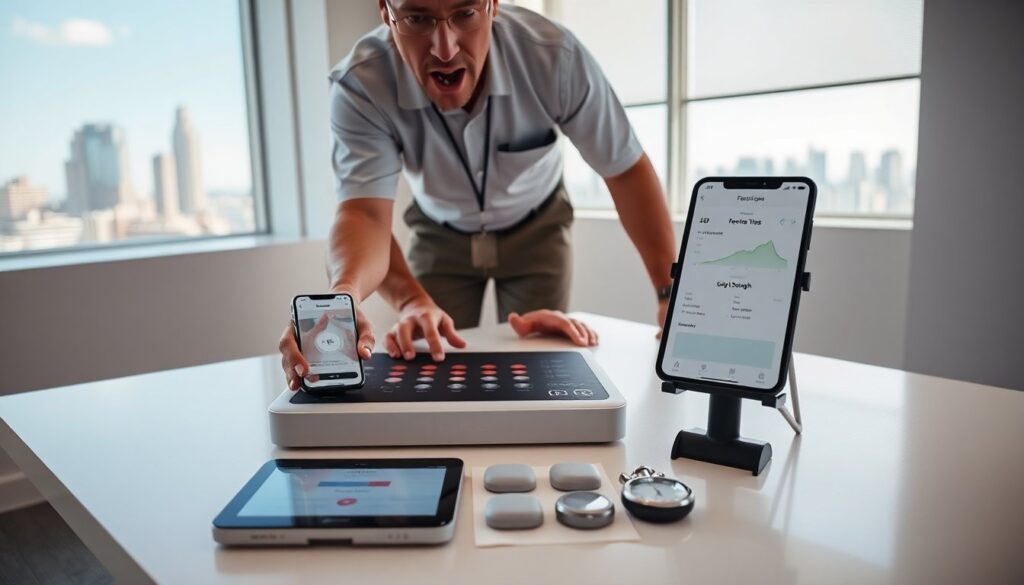
FumbleBoard is a compact training device designed to improve reaction time, hand-eye coordination, finger control, and grip strength.
The system uses responsive pads, sensors, or touch controls to measure user performance during drills and exercises.
Training sessions are typically short, making the device suitable for daily use without requiring large time commitments.
Users can track progress over time through recorded scores and performance metrics.
The device appeals to athletes, gamers, therapists, and anyone interested in improving coordination and dexterity.
Key Features, Benefits, And Who Should Use It
FumbleBoard includes adjustable sensitivity settings, wireless connectivity, and customizable training configurations.
Its modular design allows exercises to be adapted for different skill levels and training goals.
Therapists use the device to support rehabilitation and motor-skill recovery programs.
Coaches use it to enhance reaction speed and coordination in sports training environments.
Gamers and hobbyists benefit from measurable improvements in precision, speed, and fine motor control.
How To Set Up Your FumbleBoard: Step-By-Step
Begin by unpacking the device and confirming that all components are included.
Charge the FumbleBoard completely before its first use to ensure reliable performance.
Download the companion application and pair the device using Bluetooth connectivity.
Follow the app instructions to install firmware updates and create a user profile.
Adjust sensitivity settings and run a short practice session to verify that data is being recorded correctly.
Practical Use Cases, Exercises, And Best Practices
FumbleBoard supports warm-up routines, reaction drills, endurance exercises, and rehabilitation programs.
Popular exercises include rapid tapping drills, alternating-pad challenges, and memory-based pattern sequences.
Beginners should start with sessions lasting one to five minutes and gradually increase duration.
Varying hand positions and training styles helps reduce repetitive strain while improving adaptability.
Recording performance after each session provides useful data for tracking long-term progress.
Troubleshooting, Maintenance, And Safety Tips
If pairing issues occur, restart both the device and the connected mobile device before attempting reconnection.
Clean sensor contacts regularly using a dry, lint-free cloth to maintain responsiveness.
Install firmware updates when available to improve performance and fix known issues.
Store the device in a dry environment and inspect training pads periodically for signs of wear.
Users should stop training immediately if discomfort or pain develops and seek professional guidance if symptoms persist.